
Unpad Health Communication Study Center Discusses Health Through Various Cultural Lenses
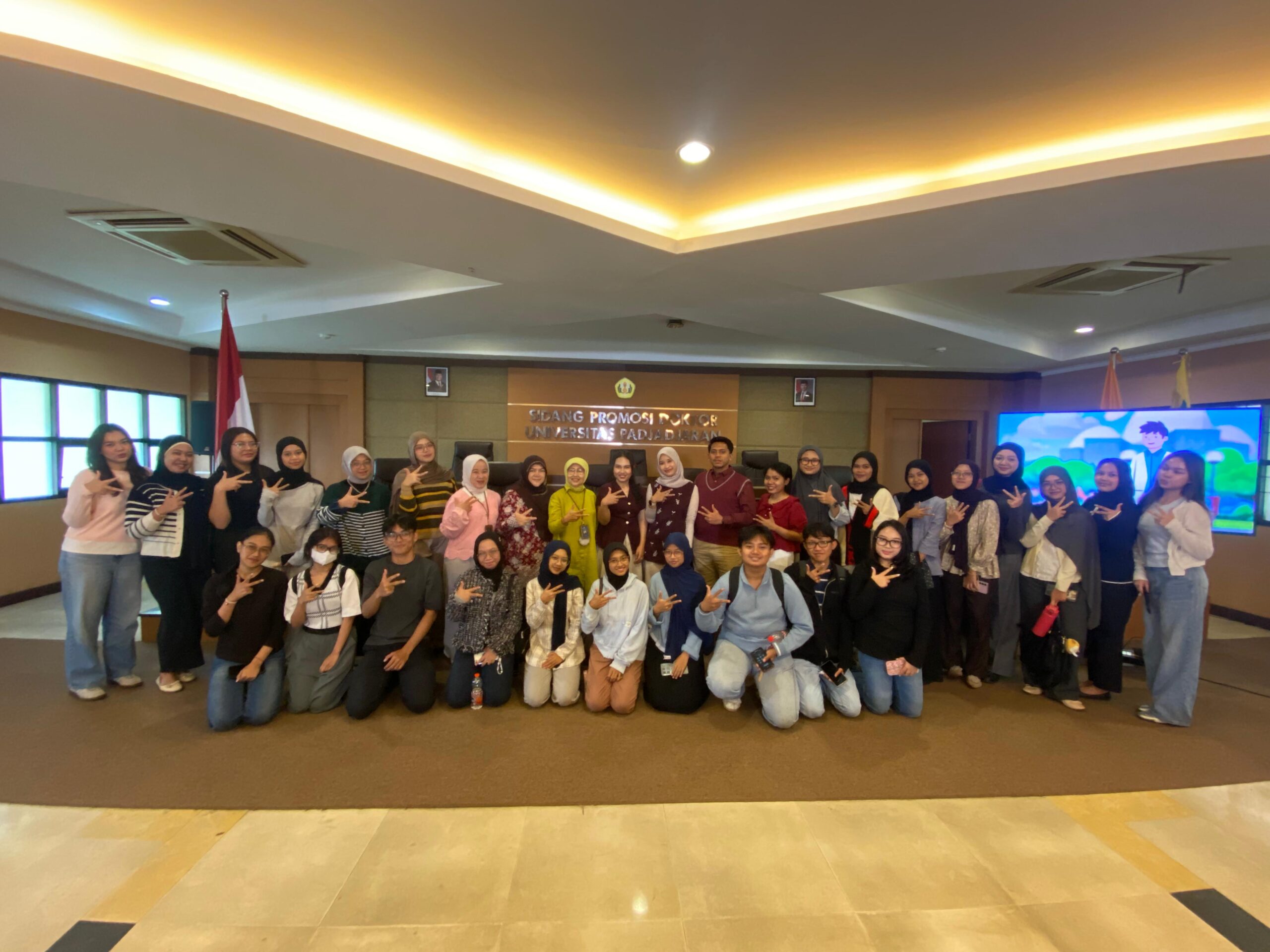
The Health Communication Study Center of Universitas Padjadjaran held a presentation of mini-research final projects by Master of Communication Science students titled “Healthy Through Various Cultural Lenses.” The event took place at the Doctoral Session Room of the Postgraduate Building, Universitas Padjadjaran, Jatinangor, on Wednesday (June 10, 2026).
This activity is part of a course taught by Prof. Dr. Jenny Ratna Suminar. Through this forum, students presented the results of studies on culture-based health practices from various regions in Indonesia, ranging from Lampung and East Java to West Kalimantan.
Prof. Jenny Ratna Suminar explained that culture plays a vital role in shaping how society understands health, illness, and the healing process. According to her, health communication exists not only through modern media or formal health services but also through cultural values, symbols, and practices that live within the community.
“Health communication is not always present through modern media or formal health services. Many cultural values, symbols, and practices actually function as health communication media that are close to people’s lives,” she said.
The first presentation was delivered by Iqbal Al Bifary through research titled “Piil Pesenggiri in the Health Culture of the Lampung Sai Bumi Ruwa Jurai Community.” This study discusses how the Piil Pesenggiri philosophy serves not only as a moral guide for the Lampung people but also influences health behavior and decision-making processes related to treatment.
In his presentation, Iqbal explained that the Lampung community recognizes biomedical, personalistic, and naturalistic systems that coexist. While the community utilizes modern health services, traditional healing practices, the use of medicinal plants, and the roles of customary and religious leaders still exert a strong influence on the healing process.
The second presentation was given by Anissa Feby Widya Putri, titled “Harmony of Soul and Tradition: Placebo Effect and Therapeutic Communication in the Ruwatan Ritual of East Java.” This research examines the Ruwatan ritual as a form of traditional health communication that serves psychosocial and therapeutic functions.
Anissa explained that cultural symbols in the Ruwatan ritual, such as siraman (ritual bathing), hair cutting, gamelan music, and the role of the Dalang Ruwat as the primary communicator, are able to build a sense of calm, hope, and social support for individuals undergoing the ritual.
“Ruwatan should not only be understood as a spiritual ritual but also as a culture-based health communication medium that helps individuals achieve psychological peace and find positive meaning in the healing process,” she explained.
Meanwhile, Natalia Dennopa presented research titled “Health from the Lens of Malay and Dayak Cultures in West Kalimantan.” This study discusses the Air Tawar healing practice in the Malay community and the Besamsam tradition in the Dayak community.
According to Natalia, both traditions demonstrate how communities build health concepts through harmonious relationships between humans, the community, nature, and spiritual forces. The Air Tawar practice is understood as a healing medium based on prayer and positive suggestion, while the Besamsam tradition serves as a socio-cultural mechanism to maintain environmental balance and protect the community from the threat of disease outbreaks.
In the closing session, Prof. Jenny Ratna Suminar stated that the students’ mini-research results highlight the importance of a health communication approach that is sensitive to local culture. Various traditional health practices still alive in society can serve as valuable sources of knowledge for developing more inclusive and contextual health communication models.
This activity also strengthens the commitment of the Health Communication Study Center of Universitas Padjadjaran to encourage the development of health communication research based on local wisdom as a contribution to improving public health in Indonesia.
Author: Naura
Photo: Pusdikomkes
Editor: Fikom Unpad Public Relations
